

The Totest Aleng “Learning House” project was developed through a process that was, at times, less about producing answers and more about understanding what the project was being asked to hold.
The work took place under the guidance of the Semiahmoo First Nation, through the City of Surrey’s cultural liaison. For Mike, O4’s principal and lead designer on this project, a few early meetings with Chief Chappell stayed with him. They weren’t planned as design sessions, but conversations to learn. Stories about family, about how knowledge is passed on through art and carving, and about a deep connection to land and place.
Those exchanges shifted the way the project was approached. The focus moved toward creating a place where those kinds of stories could continue to be shared, rather than trying to embed them directly into the architecture.
Letting the site lead
As the design progressed, decisions came more from the site than from any predetermined idea of what the building should look like.
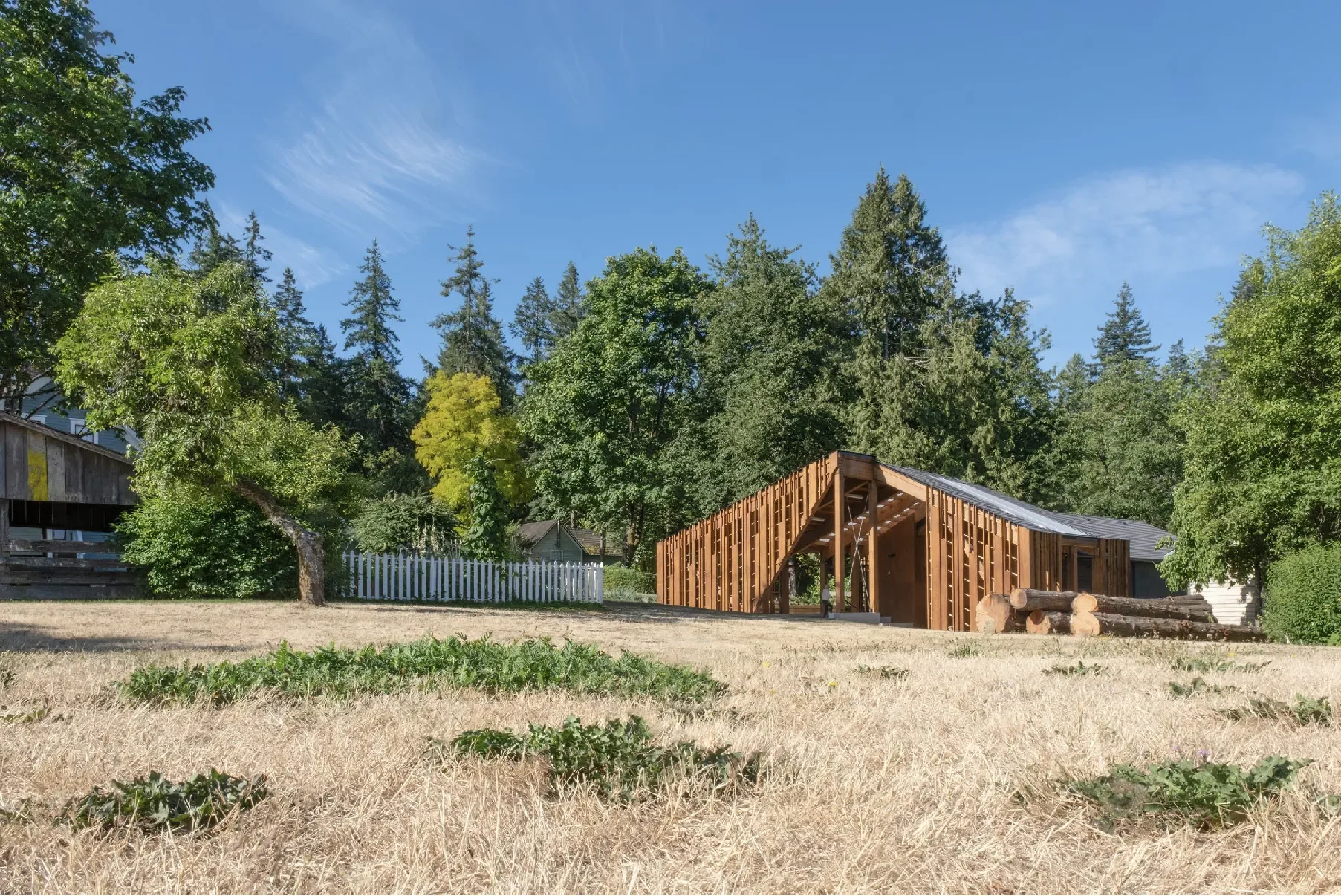
Existing paths, views through the park, and the presence of mature trees all played a role. The building follows those conditions closely. It sits within the landscape rather than organizing it, allowing movement to pass through and around it in a way that already felt natural to the site.
There wasn’t a push to reference traditional forms or replicate familiar cultural elements. That choice was intentional. The aim was to avoid reducing culture to something symbolic or fixed, and instead provide a setting where different expressions—art, carving, gathering—could take place over time.
The result is a space that feels open-ended. People can move through it, spend time there, or simply pass by without a prescribed way of using it.
Material and clarity
Wood became the primary material early on, and the project stayed committed to it.
On the West Coast, wood carries a shared familiarity across different cultures and histories. It’s widely understood, both as a building material and as part of everyday experience. Using it here helped ground the project without adding unnecessary layers of meaning.
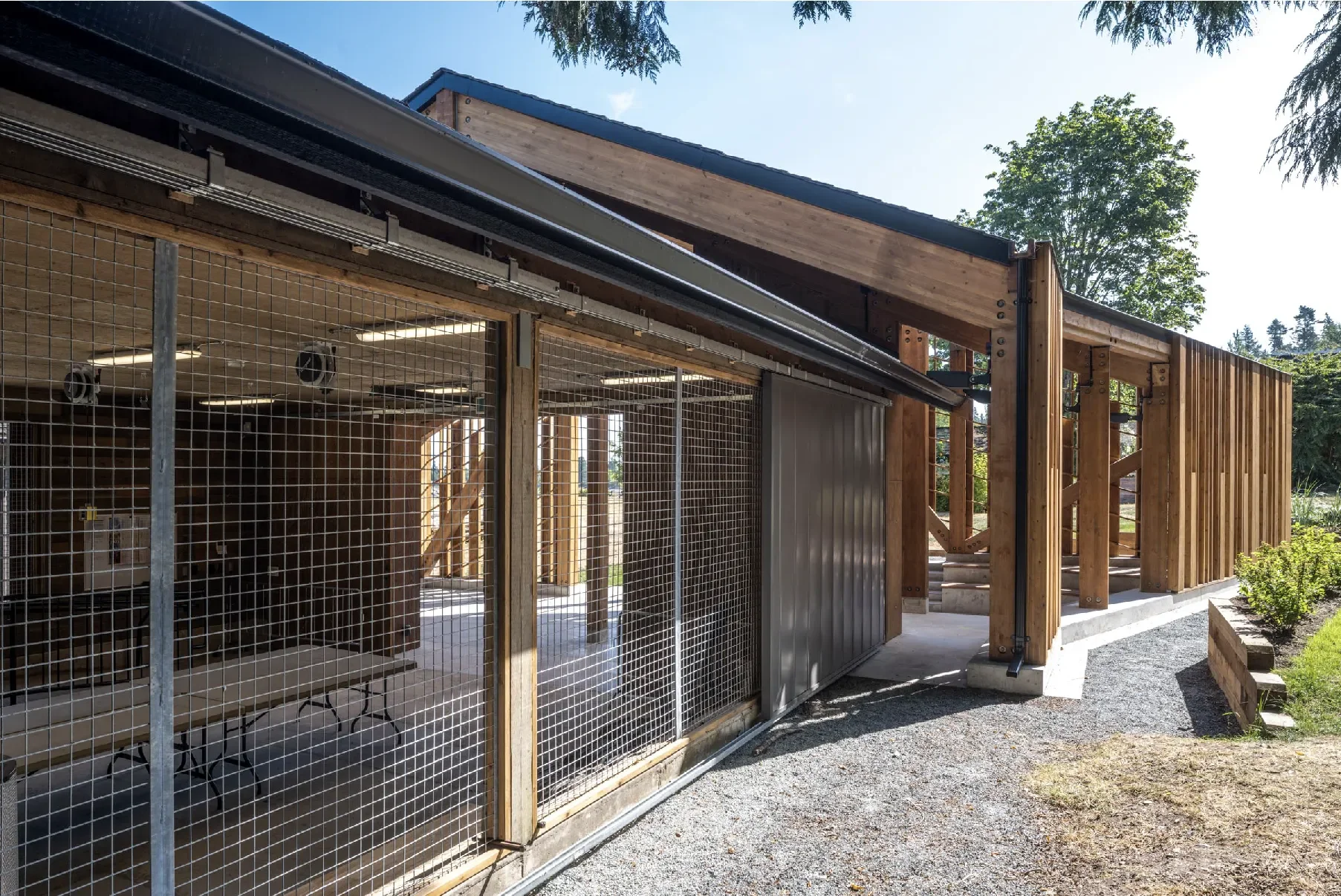
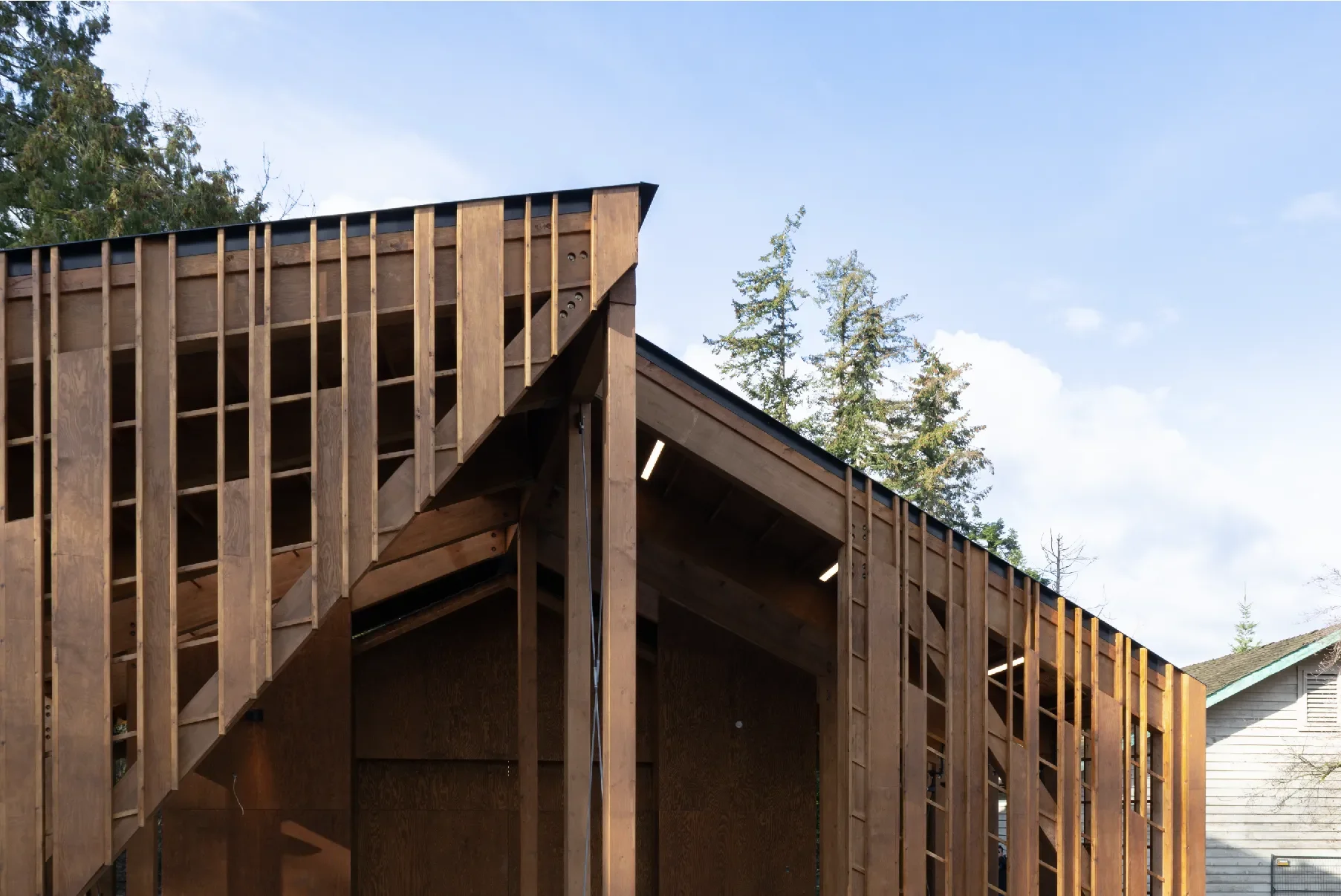
Steel was introduced where it was structurally required, but the overall palette remained intentionally limited. That restraint keeps the building legible. Structure, connections, and layers are visible, making it clear how the place is put together.
For the team, that clarity mattered. It allowed the architecture to support what happens within it without competing for attention.
Responsibility in practice
As the project developed, there was a growing awareness of its cultural weight.
For Mike and Mina, who was part of the team at the time, responsibility in this context came down to listening and sharing. The idea of reconciliation was present, not as an abstract goal, but as something embedded in the process—how decisions were made, how conversations were held, and how different perspectives were considered.
There was also a recognition that architecture has limits. It can’t resolve the histories tied to a place, but it can contribute to how people gather, interact, and learn from one another.
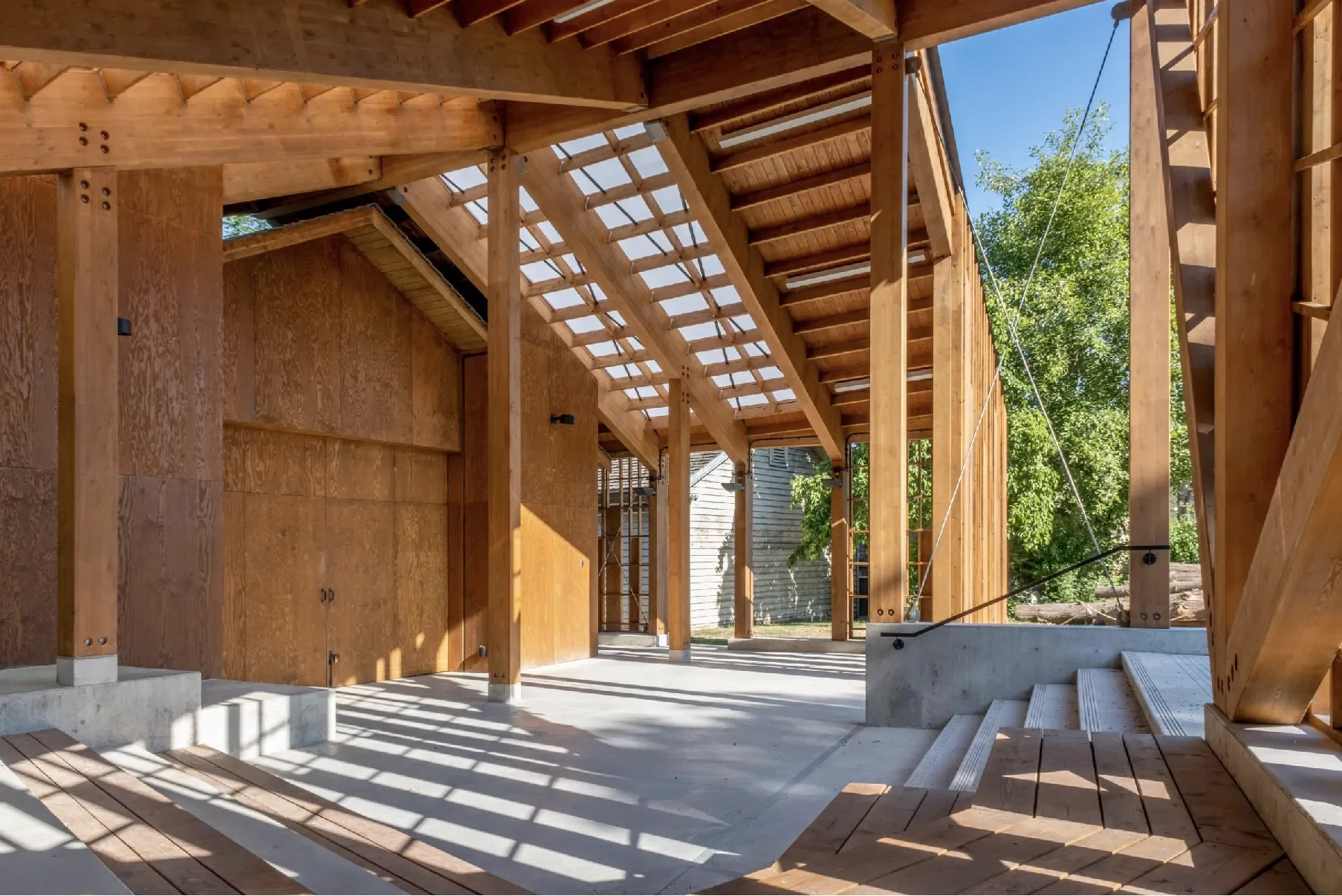
That understanding influenced what the project avoids as much as what it includes. The space remains open, without enclosures or unnecessary additions. Very little mediates the experience, allowing people to engage directly with each other and with what is happening around them.
Building it
Like most projects, the transition from concept to construction brought its own set of challenges.
Some were expected, such as adjustments for constructability or coordination between disciplines. Others came from gaps in the existing site information. The grading was more complex than anticipated, and infrastructure issues required the team to adapt quickly to avoid significant cost impacts.
There were also archaeological considerations, which added another layer of coordination and care. These moments required clear communication between all parties involved.
Having a contractor aligned with the project made a difference. Fricia Construction became an important part of the process once they joined, helping to navigate the practical realities of the site while maintaining the design intent.
Looking back
There isn’t a single defining moment that stands out in the making of Totest Aleng. The project came together through a series of steady decisions, supported by a team that understood what it was trying to achieve.
For Mike, that collaboration is one of the most important parts of the outcome.
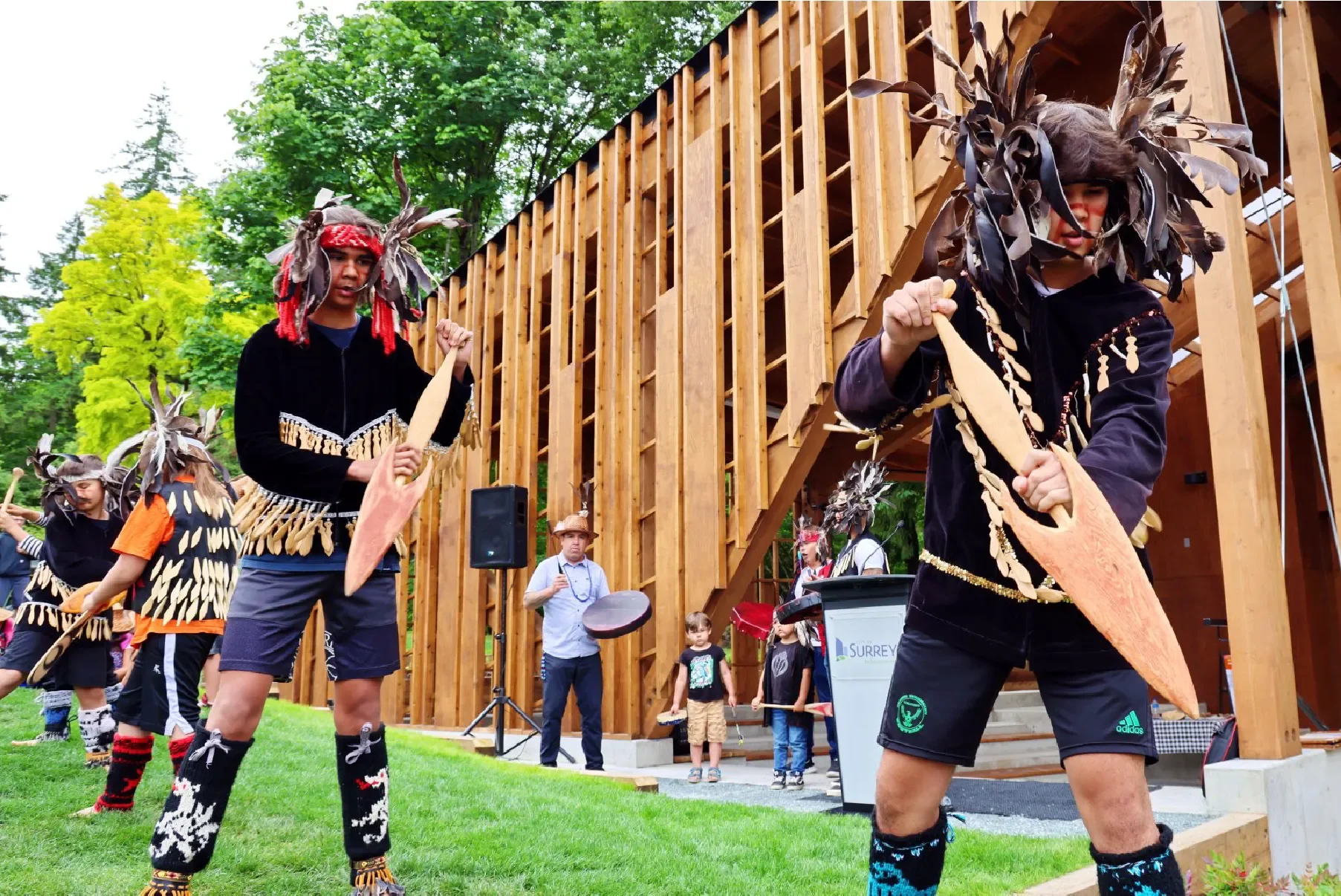
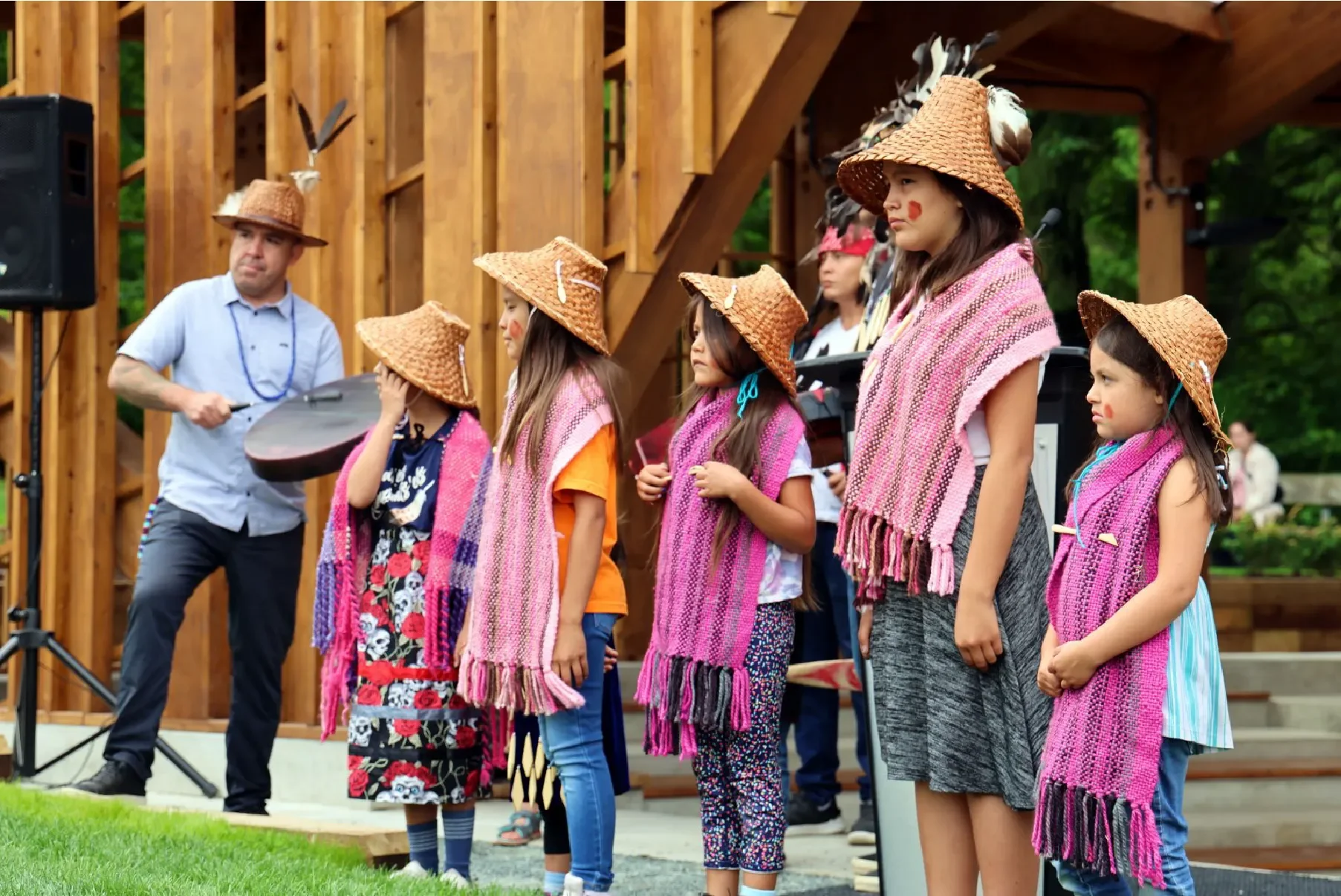
Today, the building sits quietly within Elgin Heritage Park, providing a framework for heritage to remain alive through ongoing activity—carving, gathering, and conversations that carry history into the future.
It’s a modest project in scale, but one that reflects a careful balance between design, context, and the people it was built for.
Into the Process - Totest Aleng
This article was written as part of the “Into the Process” series, a deeper dive into what made each project become what they are. Thanks to Mike for sharing his experiences during this process and to the team that was involved at any stage of the design and/or construction.